
Awakenings: A New Era in Dental Sleep Medicine
By Jennifer Langham
Dental sleep medicine (DSM) is a relatively young, fast-moving field with life-changing potential for millions of people affected by snoring, bruxism, orofacial pain and, especially, obstructive sleep apnea (OSA). OSA affects an estimated 54 million adults in the United States, including 24 million with moderate to severe disease, many of whom are undiagnosed. Because OSA is associated with cardiovascular disease, hypertension and diabetes, education about and screening for OSA by dental professionals are crucial. While continuous positive airway pressure (CPAP) remains the most common treatment for OSA, dental options such as oral appliance therapy, orthodontic treatment and dental sleep surgery offer important and effective alternatives.
With the appropriate DSM training, dental professionals can identify risks earlier, guide patients toward effective care and, in some cases, change the course and quality of patients’ lives.
We’re one of very few schools in the country to have this level of dental sleep medicine in the curriculum, so we’re quite lucky.
At the Arthur A. Dugoni School of Dentistry, that opportunity is already taking shape through one of the nation’s leading dental sleep medicine programs, one of the few postgraduate DSM fellowships and the only DSM fellowship designed for orthodontists. Its integrated model of education, practice and research is drawing attention from other dental schools while improving patient health in the Bay Area and beyond.
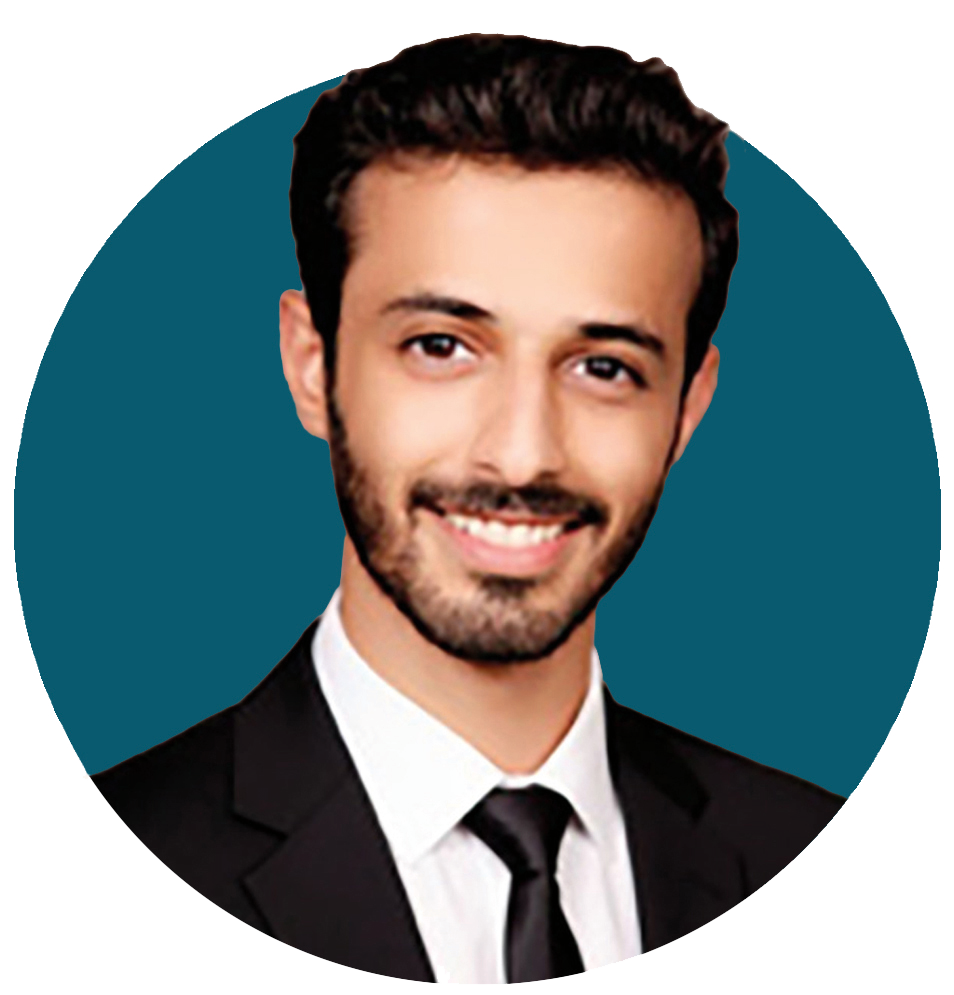
Khaled Alotaibi, BDS, MSD
DMS Fellow 2025–26
Teaching the Next Generation of Dental Sleep Leaders
“We’re firm believers that dental sleep medicine starts with education,” says Dr. Mark Vaughan, co-director of the Dental Sleep Medicine Fellowship program and clinical assistant professor in the Department of Orthodontics.
We’re one of very few schools in the country to have this level of dental sleep medicine in the curriculum, so we’re quite lucky.
A 2012 survey found that U.S. dental programs spent an average of 3.9 hours of instruction on DSM, and current curriculum time for the topic remains limited in many dental schools, partly because DSM education is not mandated by the Commission on Dental Accreditation. The Dugoni School of Dentistry’s predoctoral curriculum now includes more than 16 hours of instruction in DSM.
Dr. Heesoo Oh ’01 AEGD, ’05 Ortho, professor and chair of the Department of Orthodontics, says that the teaching of dental sleep conditions puts special emphasis on assessing pediatric patients. “As dentists, we are experts in craniofacial structure, so we are uniquely positioned to identify patients at risk for OSA,” says Oh. “In young children, if we see abnormalities or malocclusions, we can provide growth modifications and maxillary corrections that can help these patients with underlying breathing conditions or even prevent future conditions.”
Vaughan and Oh credit former dean, Dr. Nader A. Nadershahi ’94, for having the foresight in 2015 to create a task force on integrating DSM into the curriculum.
“We’re one of very few schools in the country to have this level of dental sleep medicine in the curriculum, so we’re quite lucky,” says Vaughan.
Instruction on DSM increases in the Graduate Orthodontic Residency program, and the one-year Dental Sleep Medicine Fellowship program provides advanced training for orthodontists who want to specialize in dental treatment for sleep issues. Four individuals have completed the fellowship program so far, and two more began in fall 2026.
Dr. Khaled Alotaibi, a 2025–26 DSM fellow, says the fellowship has provided him a strong foundation in dental sleep medicine while collaborating with an exceptional multidisciplinary team. “The opportunity to observe the medical side of patient care at Stanford and work alongside outstanding surgeons and clinicians has given me a broader perspective on diagnosis and treatment,” he says.
He recalls a patient saying after receiving an oral appliance, “Thank you—I can finally sleep.” Alotaibi says, “It was a simple statement, but it reflected a meaningful change extending beyond sleep itself, including improved daily functioning.”
Alotaibi plans to return to his home country of Kuwait after completing the fellowship. “I look forward to contributing to the growth of multidisciplinary sleep care and sharing what I’ve learned to improve patient outcomes.”
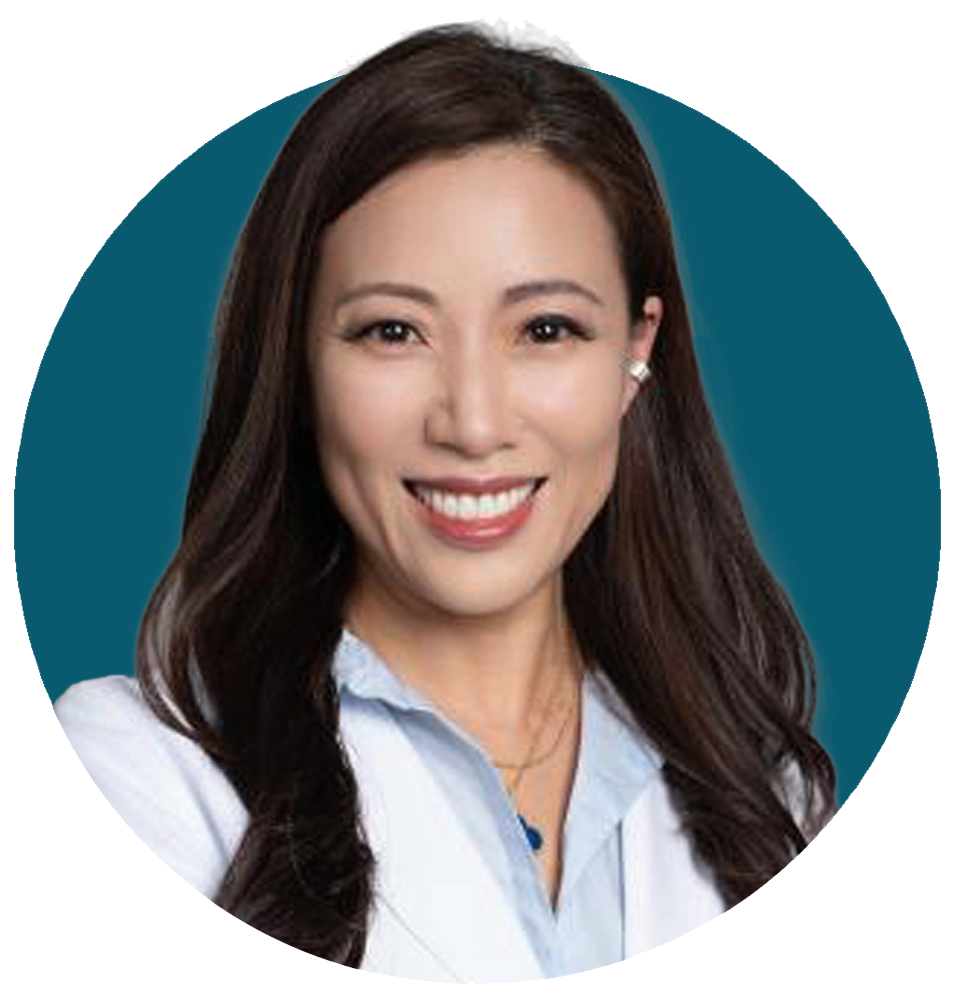
Audrey Yoon, DDS, MS
Connecting Dentistry and Medicine for Better Sleep Care
“There’s a real interdisciplinary component to our program,” says Vaughan. “People with sleep problems are medical patients as well as dental patients, so it’s important to collaborate with a patient’s primary care physician or with a physician who is qualified in sleep medicine.”
The dental school’s collaboration with Stanford Sleep Medicine Center pairs Stanford Health Care’s resources in sleep research and treatment with the Dugoni School of Dentistry’s expertise in oral appliance therapy and other dental treatments for OSA.
Dr. Audrey Yoon, co-director of the dental school’s DSM Fellowship program, is a clinical professor in the Division of Sleep Medicine at Stanford as well as an assistant professor in the Department of Orthodontics at the Dugoni School. She explains that her colleagues at Stanford who believe a patient might benefit from dental treatment for a sleep issue refer the patient to her for consultation, and then she refers patients to the Pacific Sleep Clinic, on the dental school campus, for scanning and treatment.
“I believe the Pacific Sleep Clinic is equipped with the most comprehensive, state-of-the-art facilities for dental sleep medicine among dental schools,” Yoon says. “Patients undergo comprehensive imaging and functional assessment, including 3D dental and facial scans, cone beam CT, rhinomanometry and ultrasound imaging before and after treatment.” Approximately 30 patients, including 18 new patients, are seen per month at the Pacific Sleep Clinic.
I believe the Pacific Sleep Clinic is equipped with the most comprehensive, state of-the-art facilities for dental sleep medicine among dental schools.
Patients who receive dental treatment such as oral devices return to Stanford physicians for follow-up assessment of treatment effectiveness, while dental school clinic patients screened as being at risk for OSA are referred to Stanford for assessment. The result is a bidirectional model of interdisciplinary care and referral. “Our medical colleagues are learning what dentists can do, because they see outcomes for their patients,” says Oh. This is important, she explains, because CPAP isn’t effective for many OSA patients. “Studies show that dental interventions can be just as effective in treating OSA for those who are CPAP-intolerant.”
This bidirectional model provides further educational opportunities for orthodontic graduate students and for DSM fellows, who treat patients in the Pacific Sleep Clinic. DSM fellows also rotate through clinics at Stanford for sleep apnea, restless leg syndrome, narcolepsy and other sleep issues, and they observe surgeries through the ENT department.
“Our fellows are able to experience the whole spectrum of sleep medicine at Stanford,” says Yoon, “as well as at my private clinic, where 70-80% of my patients have sleep or airway-related concerns.”
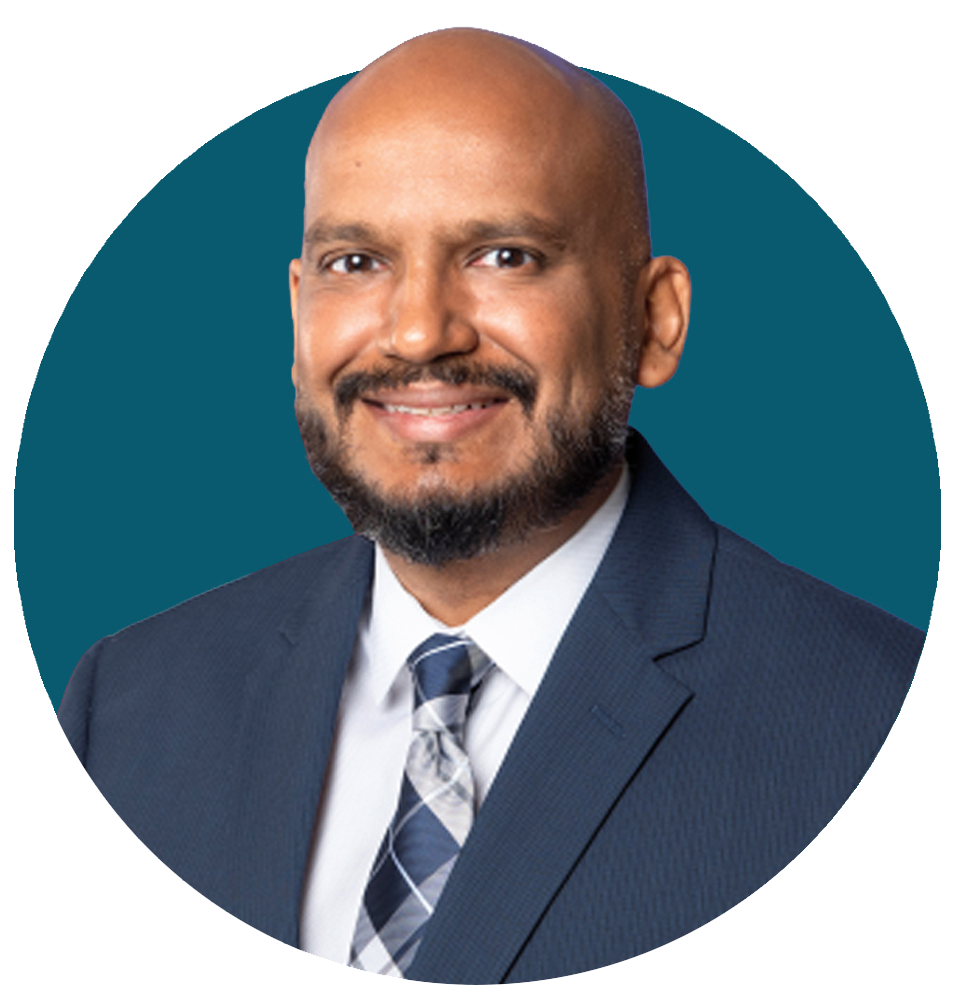
Rishi Jay Gupta, DDS, MD, MBA
Serving Those Who Have Served
Another important collaboration in the dental school’s dental sleep medicine program is with San Francisco Veterans Affairs Health Care where Dugoni School fellows train weekly and where DSM faculty members Oh and Vaughan deliver dental care to sleep medicine patients twice a month.
Our patient population at the VA is generally older and they have more medical complexities, so we have a robust, comprehensive approach to our patients.
At the VA hospital, DSM fellows train with Rishi Jay Gupta, DDS, MD, MBA, section chief for oral and maxillofacial surgery at the San Francisco VA and sleep surgical and dental director for a regional program of sleep care for veterans across Northern California, Nevada and Hawaii. Gupta is also a professor of oral and maxillofacial surgery at the Dugoni School of Dentistry.
Gupta says the collaboration has added to the holistic care they provide at the VA. “Our patient population at the VA is generally older and they have more medical complexities, so we have a robust, comprehensive approach to our patients. For the last three years, the Dugoni School has brought the component we were missing of orthodontic treatment and orthodontic care, along with the oral appliance treatment for our patients,” he says.
DSM fellows can deliver mini screw-assisted rapid palatal expansion (MARPE) to patients and set up cases for surgically assisted rapid palatal expansion, as well as provide preoperative and postoperative orthodontic treatment for TMJ and OSA maxillary mandibular advancement surgery.
Gupta credits Dugoni School of Dentistry leaders Dr. David Lam, the Dr. T. Galt and Lee DeHaven Atwood Endowed Professor in Oral and Maxillofacial Surgery, and Interim Dean Elisa Chávez, in addition to Drs. Oh and Vaughan, for their support of the partnership with the VA hospital. “They’ve been instrumental in supporting collaboration between the VA and the university, and I appreciate them being forward thinking about medical-dental integration.”
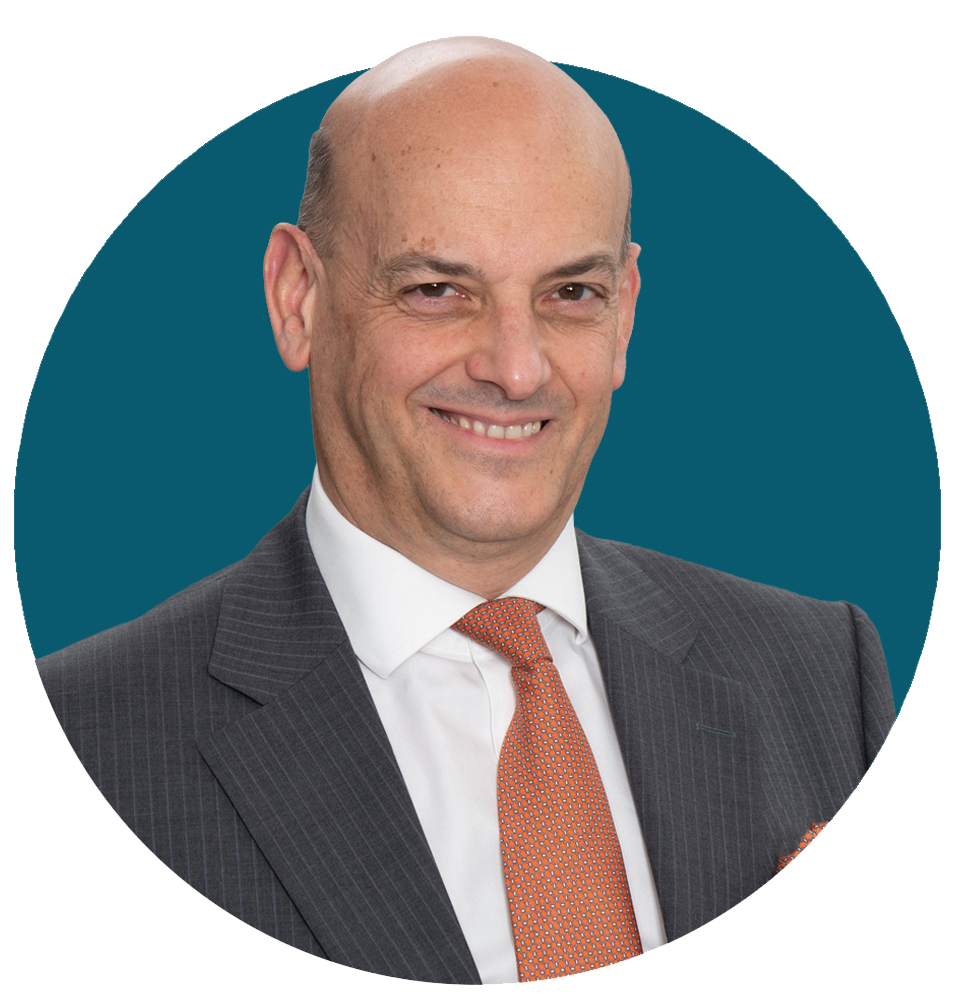
Mark Vaughan, BDS, DDS, MSc
Building Knowledge Through Dental Sleep Research
Research studies are limited in the emerging field of dental sleep medicine. Faculty, residents and fellows in the DSM program are working to change this by participating in inter-institutional research at both Stanford and the Dugoni School, supported by a National Institutes of Health grant. The research, begun just a few months ago, examines screening strategies and advanced airway imaging—such as ultrasound and outcomes from oral appliance therapy—and uses artificial intelligence to analyze how imaging might more accurately inform effective treatment options for patients.
We’ve had the opportunity to create something special here and we want to share it with other schools.
Yoon says that the findings of this research may mean that, a decade from now, dental sleep medicine patients could determine the best treatment for their OSA with a diagnostic exam taking just two or three minutes. “Our goal is to personalize and individualize treatment based on each patient’s unique anatomy and physiology, potentially without X-rays or sedation. That’s an exciting future,” she says.
What’s Ahead for Dental Sleep Medicine
The Dugoni School of Dentistry is advancing dental sleep medicine far beyond the San Francisco area.
Vaughan recalls speaking at the World Dentofacial Sleep Society conference in 2024 and seeing a line of people waiting afterward to talk with him—evidence, he says, of how eager sleep physicians are to learn about dental treatments for OSA.
And since many other dental schools want to increase education about DSM in their curriculum, Vaughan and Oh have authored a paper, “Integrating Dental Sleep Medicine into Dental Education: A Comprehensive Framework for Curriculum and Clinical Practice” recently published in the Journal of Dental Education.
“We’ve had the opportunity to create something special here, and we want to share it with other schools,” says Vaughan.
Yoon says the DSM Fellowship program creates opportunities to shape dental sleep medicine protocols globally. She notes that the first dental sleep fellow, Dr. Maryam Arab 2023–2024, returned to Kuwait and became founding president of the Kuwait Dental Sleep Medicine Society, while recent fellow Dr. Jocelyn Hor 2025–2026 is returning to Singapore to put her new expertise into practice.
“Here at the Arthur A. Dugoni School of Dentistry, we are a true leader in the field, and we really are changing the world,” she says.
Jennifer Langham is a contributor to Contact Point and other University of the Pacific publications.